
To clean unsealed concrete floors, sweep or vacuum loose debris and then mop with a solution of warm water and a neutral ph cleaner. Concrete floors are popular in garages, basements, and outdoor areas due to their durability and strength.
However, unsealed concrete floors are susceptible to stains and dirt accumulation if not properly maintained. Whether the floor is in a commercial or residential property, regular cleaning is essential to maintain its appearance and prolong its lifespan. In this article, we will discuss how to clean unsealed concrete floors efficiently and effectively.
We will also provide some tips for preventing stains and damage. So, let’s dive in and learn about the best ways to clean unsealed concrete floors.
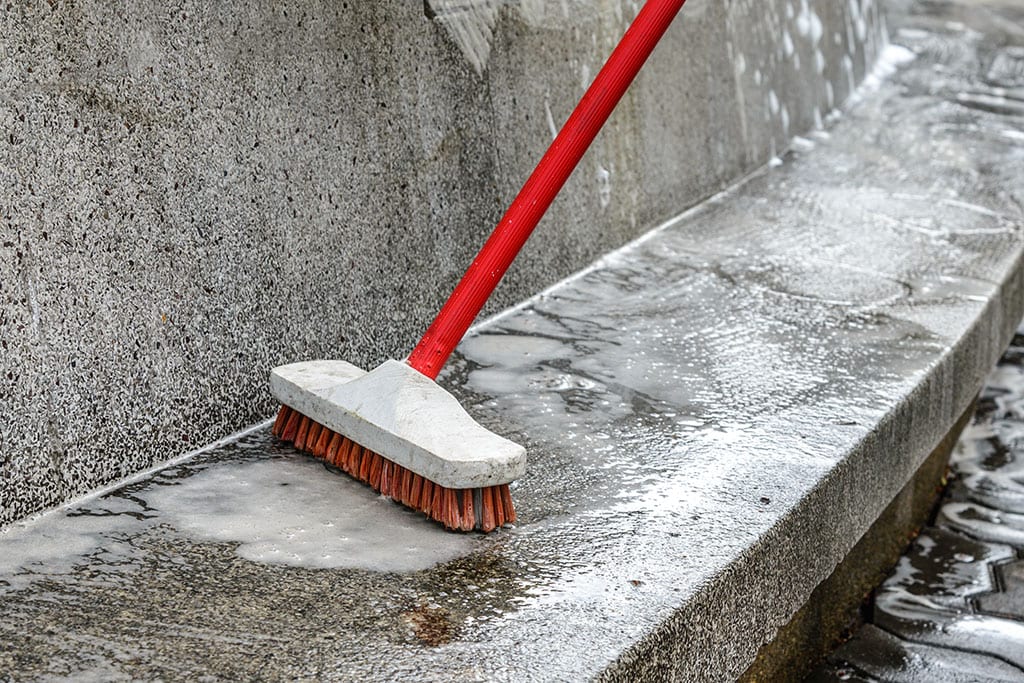
Credit: waterstopsolutions.com.au
Quick Navigation
Benefits Of Unsealed Concrete Floors
Unsealed concrete floors offer various benefits over their sealed counterparts. One of the most significant advantages is easy maintenance. Unlike sealed floors, unsealed concrete surfaces do not require any special treatment, making them highly convenient to clean and maintain. Additionally, unsealed concrete floors are cost-effective and highly durable.
Even with heavy traffic, they can last for years without showing any significant signs of wear and tear. Moreover, unsealed concrete floors are incredibly versatile. They can have any texture or color depending on the homeowner’s preference, making them ideal for both commercial and residential spaces.
Investing in unsealed concrete floors can offer numerous benefits, including easy maintenance, cost-effectiveness, durability, and versatility.
Dust And Dirt Build-Up
Dust and dirt can quickly accumulate on unsealed concrete floors, causing several issues. The primary cause is foot traffic, and with time, the dust and dirt can become intertwined with the concrete. Not only is this unsightly, but it could also pose health risks such as respiratory problems.
Luckily, there are several ways to minimize dirt build-up. One is by placing doormats at entry points to trap any dirt or debris that may be on shoes or feet. Additionally, implementing regular sweeping, vacuuming, or mopping can help keep the floors clean and improve air quality.
Lastly, sealing the concrete floors can also help prevent dust and dirt buildup. Be sure to consult a professional to help you determine the best approach for your concrete floors.
Staining And Discoloration
Staining and discoloration are common problems faced by owners of unsealed concrete floors. Causes of staining and discoloration include surface contaminants like oil, grease, and rust. Types of stains range from organic stains to red wine and coffee stains. To remove stains, prepare a cleaning solution of warm water and cleaning agent in a bucket, and then apply it on the stained area.
Use a stiff bristle brush to scrub the surface until the stain disappears. Always test cleaning solution on an inconspicuous area before using it on the whole floor. Wipe up any excess solution with a mop and rinse the area with clean water.
Allow the floor to dry naturally. With the right technique, owners can restore their concrete floors to their original shine.
Cracking And Pitting
Unsealed concrete floors are prone to cracking and pitting due to a variety of reasons. Shifting soil, heavy vehicles, or sharp objects can all cause damage. To repair cracks and pits, use a concrete resurfacer or filler. However, preventive measures are essential to ensure these issues do not occur frequently.
Avoid heavy traffic on the concrete surface, don’t use de-icing chemicals, and keep water from standing on the floor. Be sure to clean the concrete frequently with non-acidic cleaning agents to avoid problems in the future. By maintaining your concrete floors, you will save a lot of money, effort, and time in the long run.
Safety Precautions
Before cleaning an unsealed concrete floor, ensure you have the right safety precautions. First, ensure you have the necessary safety gear, including gloves, goggles, and a dust mask. Secondly, the ventilation needs should be well taken care of to avoid exposure to harmful chemicals.
Thirdly, ensure you have the right tools and equipment like a stiff-bristled brush, a pressure washer, and a wet/dry vacuum. Taking these safety measures ensures that the cleaning process is smooth, safe, and efficient. Cleaning unsealed concrete floors is vital to maintaining their durability and aesthetics.
Taking the necessary measures not only guarantees its cleanliness but also protects your health.
Material And Tools Needed
To clean unsealed concrete floors, you will need cleaning solutions such as vinegar, baking soda or commercial cleaner. Utilize scrubbers and mops, including disposable pads, with caution. A pressure washer is an effective tool but too powerful for weak concrete.
Rinse with water and repeat the process if necessary for best results.
Cleaning Process Step By Step
Cleaning unsealed concrete floors may seem like a daunting task, but with the right approach, it can be achieved with ease. Begin by removing any furniture and debris from the area. Next, use a dry sweeping method to clear the surface.
If any stains are present, pre-treat them with a specialized cleaning agent. To thoroughly deep clean the floor, use a mixture of water and a concrete cleaner. Pressure washing can also be an effective option for removing tough grime and dirt.
By following these basic steps, your unsealed concrete floors will look brand new in no time.
Drying And Sealing
When cleaning unsealed concrete floors, drying and sealing are crucial steps. It’s important to dry the floors properly, as they can stain and become a breeding ground for bacteria if left damp. To dry concrete floors, use a wet/dry vacuum to remove excess water or use fans to circulate air.
Once the floors are completely dry, apply the sealant with a roller or brush. This will protect the floors from dirt and spills, making them easier to clean in the future. Remember to adhere to the manufacturer’s instructions when it comes to drying and sealing to ensure the best results.
With these tips in mind, you can keep your unsealed concrete floors looking clean and new for years to come.
Conclusion
Finally, maintaining a clean unsealed concrete floor requires consistent and proper cleaning methods. The regular use of a vacuum, broom, and mop can prevent dirt build-up, discoloration, and damage. It is essential to choose the right cleaning solution that will work with the porous surface of the unsealed concrete floor.
By avoiding harsh chemicals, using a ph-neutral cleaner, and diluting the solution, you can effectively clean and maintain your floor’s natural shine and texture. Do not ignore stains; tackle them as soon as possible with the right solution and technique to prevent permanent damage.
By implementing these cleaning techniques, you can prolong the life of your concrete floor and keep it looking new for years to come. Remember that a clean, well-maintained floor not only improves the aesthetic appeal of your home but also provides a comfortable and safe environment for you and your family.