To clean the subfloor after removing the carpet, sweep and vacuum to remove any debris. Then, use a scrub brush and cleaning solution to remove any remaining dirt and stains.
Afterward, rinse with clean water and let it dry completely. Removing an old carpet can be a satisfying and rewarding experience, but it leaves behind unwanted marks and debris. If you plan to install new flooring, it’s essential to clean the subfloor thoroughly to ensure good results.
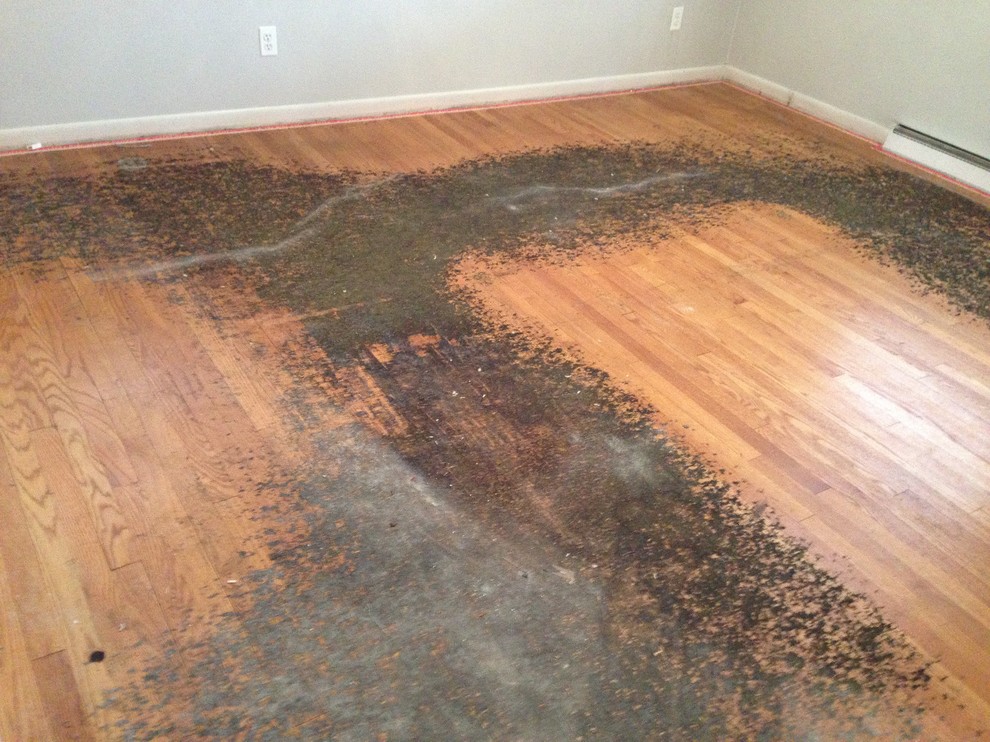
A clean subfloor not only provides a level surface but also extends the lifespan of your new flooring. In this article, we’ll discuss a step-by-step guide on how to clean subfloor after removing carpet. We’ll also provide some helpful tips to help you achieve a spotless surface without causing damage. So, let’s dive right in!
Credit: www.houzz.com
Quick Navigation
Gather Necessary Cleaning Supplies
To properly clean a subfloor after removing the carpet, it’s important to gather the right cleaning supplies. Start with a broom or vacuum to remove any loose debris and dirt from the subfloor. Next, grab a mop and bucket of warm water mixed with a cleaning solution suitable for your subfloor material.
For more stubborn stains or odors, consider using a carpet cleaner or enzymatic cleaner. Finally, don’t forget to wear gloves and protective eyewear to avoid any potential hazards. By following these steps, you can effectively clean your subfloor and prepare it for new flooring installation.
Cleaning Plywood Subfloor With Vinegar
Cleaning your plywood subfloor after removing the carpet isn’t as difficult as it seems. Vinegar is an excellent natural cleaner that is perfect for this task. To begin, you will need to mix equal parts of vinegar and water to create your cleaning solution.
Next, apply the solution to your subfloor using a mop or cloth. Let it sit for 5-10 minutes to allow the vinegar to penetrate and dissolve any dirt or grime. Afterward, use a clean cloth or mop to remove any excess moisture.
Repeat this process until the subfloor is clean to your satisfaction. Once it’s dry, you can move on to any necessary repairs and preparations for your new floor. Following these simple steps will ensure that your plywood subfloor is properly cleaned and ready for the next step in your flooring journey.
Removing Odor And Stains From Subfloor
Removing odor and stains from the subfloor Removing old carpet can leave behind unpleasant odor and stains on your subfloor. To clean it, start by sweeping the floor to remove all debris and dirt. Next, use a mixture of warm water, vinegar, and dish soap to scrub the floor thoroughly.
Pay special attention to areas that may have stains or odors. Once you have scrubbed the floor, rinse it thoroughly with clean water. Be sure to let it completely dry before installing any new flooring. In order to keep the odor away, sprinkle baking soda over the cleaned subfloor before installing new carpet or flooring.
By following these steps, you can properly clean your subfloor and ensure a fresh start for your new flooring.
How To Clean Hardwood Subfloor
Cleaning a hardwood subfloor after removing old carpet can be a daunting task. Firstly, use a sharp utility knife to remove any leftover carpet fibers, staples, and tack strips. Next, sweep the subfloor with a soft-bristled broom to get rid of any dust and debris.
Use a vacuum to remove all the remaining dirt particles in the subfloor. Then, mop the subfloor with warm water and a gentle cleaning solution. Be careful not to saturate the subfloor with too much water to prevent damage. Let the subfloor dry completely.
Finally, inspect the newly cleaned hardwood subfloor for any signs of damage or moisture. By following these steps, you can effectively clean your hardwood subfloor after removing the old carpet.
Cleaning Subflooring Staples And Tack
When removing carpet, it is essential to clean any remaining staples and tacks from the subfloor. First, use pliers to remove large staples and a flathead screwdriver to pry up smaller ones. Then, vacuum up any debris and use a scraper to remove any remaining glue or adhesive.
Next, use a damp cloth to wipe down the subfloor, being sure to reach all corners and crevices. For stubborn spots, use a cleaning solution specifically designed for subfloors. Finally, let the subfloor dry completely before installing any new flooring.
By following these simple steps, your subfloor will be clean and ready for its next phase.
How To Remove Urine From Subfloor Before New Carpet Installation?
Removing carpet from a subfloor is no easy task, especially when there are stains present. If you’re wondering how to remove urine from the subfloor before new carpet installation, here are some steps to follow. First, identify the areas that have urine stains by using a black light.
Second, use a cleaning solution to rinse the affected spot and let it dry completely. Third, use a special enzyme cleaner to neutralize the urine odor. Fourth, seal the subfloor with a pigmented shellac or primer to prevent any future odors from permeating through the new carpet.
Fifth, inspect the subfloor for any remaining stains and repeat the cleaning process if necessary. Lastly, wait for the subfloor to dry completely before installing the new carpet. By following these guidelines, you can ensure a clean and fresh-smelling subfloor for your new carpet.
Can You Use Bleach To Clean Subfloor?
Cleaning the subfloor after removing the carpet can be a daunting task, but it’s imperative to get rid of any debris and dust buildup before installing new flooring. Bleach is a common household disinfectant that can effectively sanitize the subfloor, but it’s important to dilute it properly and ensure proper ventilation.
Mix one part bleach with 10 parts water and use a sponge to apply it on the subfloor. Allow it to sit for 10-15 minutes, then rinse thoroughly with clean water. Avoid using too much water as it can damage the subfloor.
After cleaning, let the subfloor dry completely before installing any new flooring. Remember, safety should always be your top priority when handling chemicals like bleach, so wear gloves and protective eyewear when cleaning.
How To Remove Carpet Padding Residue From Subflooring?
After removing carpeting, it’s crucial to thoroughly clean the subflooring to ensure a smooth surface. One of the biggest challenges is removing the carpet padding residue from the subfloor. To get started, you’ll need a few tools: a scraper, a putty knife, a vacuum cleaner, and a residue-removing solution.
Begin by scraping off as much of the padding residue as possible, then use the putty knife to gently scrape away any remaining bits. Once all the loose debris is gone, it’s time to vacuum the floor thoroughly to remove any remaining dust or debris.
Finally, apply the residue-removing solution, making sure to follow the instructions on the label carefully. Work in small sections, applying and then wiping away the solution with a clean cloth until all the residue is gone. With patience and persistence, you’ll have a clean subfloor ready for whatever flooring you choose.
Which Chemicals Are Safe To Use For Cleaning Subfloor?
If you’ve decided to remove carpet from your floors, you’re going to need to clean up the subfloor afterward. There are several chemicals that you can use for this task, but you need to be careful about which ones you choose.
Some chemicals can be dangerous if used improperly or if they come into contact with certain surfaces or materials. For example, bleach can discolor wood and damage concrete, while ammonia can create dangerous fumes when mixed with other chemicals. To ensure that you’re using safe and effective cleaning chemicals, it’s best to consult with a professional or to carefully read and follow the instructions on the cleaning product’s label.
With a little bit of research and preparation, you can safely and efficiently clean your subfloor after removing the carpet.
Conclusion
Cleaning a subfloor after removing the carpet is a necessary but often overlooked step in home renovation. By following the step-by-step process outlined in this blog post, you can ensure that your subfloor is properly cleaned, prepped, and ready for its next flooring installation.
From removing old adhesive to sanding down rough spots, taking the time to properly clean your subfloor will not only create a better foundation for your new flooring but also make it last longer. Additionally, using the right tools and products can make all the difference in your subfloor’s cleanliness and overall quality.
So, take your time and follow these guidelines for a well-cleaned subfloor that will serve you well for years to come.