To get rid of fleas on hardwood floors, vacuum thoroughly and regularly, steam clean, use natural flea repellents, and treat pets for fleas. Hardwood floors are a popular choice in many homes due to their durability and aesthetic appeal.
However, fleas can still find their way onto these surfaces, causing discomfort and potential health hazards for both humans and pets. Getting rid of fleas on hardwood floors requires thorough cleaning and treatment methods to ensure the pests are eliminated completely.
In this article, we will discuss simple methods to remove fleas from hardwood floors. These methods include vacuuming regularly, steam cleaning, using natural flea repellents, and treating pets for fleas. With these steps, you can effectively get rid of fleas and keep your hardwood floors looking beautiful.
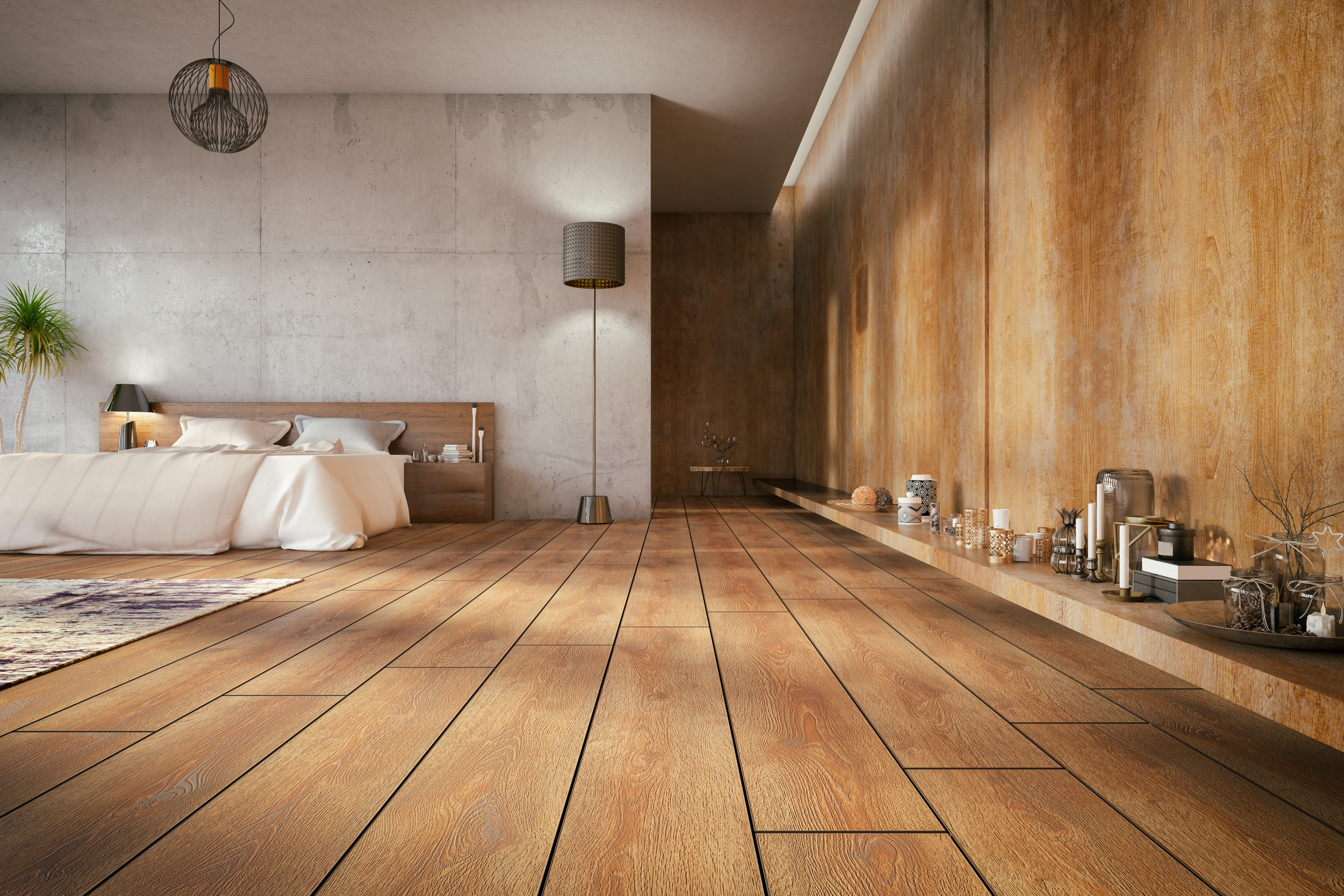
Credit: www.hunker.com
Quick Navigation
Understanding Fleas And Their Life-Cycle
Fleas are a common problem on hardwood floors due to their life-cycle. These pesky critters can lay eggs on the surface of hardwood floors, which can lead to re-infestation. The life-cycle of fleas includes four stages: egg, larva, pupa, and adult.
Adult fleas will lay their eggs on the host, which then fall off onto the hardwood floor. The eggs will hatch into larvae that feed on organic matter on the floor. They will then cocoon into pupae, remaining dormant until they sense a potential host.
Once they sense a host, they will emerge as adult fleas. Getting rid of fleas on hardwood floors often involves vacuuming, deep cleaning, and using insecticides. Remember to treat the host as well, or the problem will continue to recur.
Identifying Flea-Infested Areas On Hardwood Floors
Flea infestations can be a headache, especially when they are difficult to identify on hardwood floors. Fleas tend to dwell in corners, under furniture, and near baseboards. Their droppings resemble sand grains and can be found on floors or pet beds.
The appearance of red, itchy bites on yourself or your pet is another common sign of a flea infestation. A key indicator is if you spot fleas on your pet or in your home. Unlike bed bugs, fleas move quickly and can be challenging to catch.
In such cases, it is best to get professional assistance. Identifying the affected areas on hardwood floors is crucial for successful flea eradication.
Top Natural Remedies For Flea-Infested Hardwood Floors
Effective natural remedies can combat flea infestations on hardwood floors. Unlike chemical treatments, natural remedies have no side effects and are safe for both humans and pets. One natural method is spreading food-grade diatomaceous earth on the floor. This product acutely dehydrates fleas and other small insects.
You can sprinkle baking soda on the floor and let it sit before vacuuming it. This method has a pleasant scent and is non-toxic to pets. Lavender oil or cedar oil can also kill fleas when mixed with water and sprayed on the floor.
Additionally, using a steam cleaner on hardwood floors can help get rid of fleas by killing them with high-temperature steam. With natural remedies, you can keep your hardwood floors flea-free while keeping your family, pets, and the environment safe.
Steps To Follow For Flea-Free Hardwood Floors
To get rid of fleas on hardwood floors, start by vacuuming thoroughly and frequently. Use a steam cleaner to sanitize floors and kill adult fleas, larvae, and eggs. Apply an insecticide treatment that won’t damage your floors and wait 24-48 hours before returning to the area.
Use a flea comb on your pets and wash their bedding frequently. Keep your home clean and well-groomed pets will minimize the risk of fleas. Regular vacuuming and steam cleaning will keep things under control. With these guidelines in mind, maintaining a flea-free environment is achievable.
Conclusion
Fleas on hardwood floors can be a menace but getting rid of them does not have to be a nightmare. Your first line of defence should be a thorough cleaning of the affected areas with a vacuum cleaner or steam mop.
Follow this up with the use of flea-killing sprays or powders that are safe for use on hardwood floors. Be sure to treat your pets as well with flea medication and regular grooming. Prevention is also key to keeping your hardwood floors flea-free by regularly cleaning your home and treating your pets.
With a combination of these measures, you can rest easy knowing that your hardwood floors are flea-free. Don’t let these pesky critters take over your home. Take action today and enjoy a flea-free living space.