Signs of mold under hardwood floors include dark stains, musty odors, and warped or buckled flooring. These signals are a sign of moisture buildup and require immediate action to remedy.
Hardwood floors are a luxurious addition to any home or office, but they can also be a hiding spot for mold growth. Mold tends to grow in dark, damp environments, and hardwood floors provide the perfect conditions that they need to thrive.
Mold under the surface of the hardwood floors can be more difficult to detect than other mold types, but the immediate effects can be just as severe. Homeowners and property managers should be aware of the suspicious signs that indicate the presence of mold in hardwood floors to safeguard against health risks and structural damage.
Credit: www.ecofmr.com
Quick Navigation
The Hidden Dangers Lurking Beneath Hardwood Floors
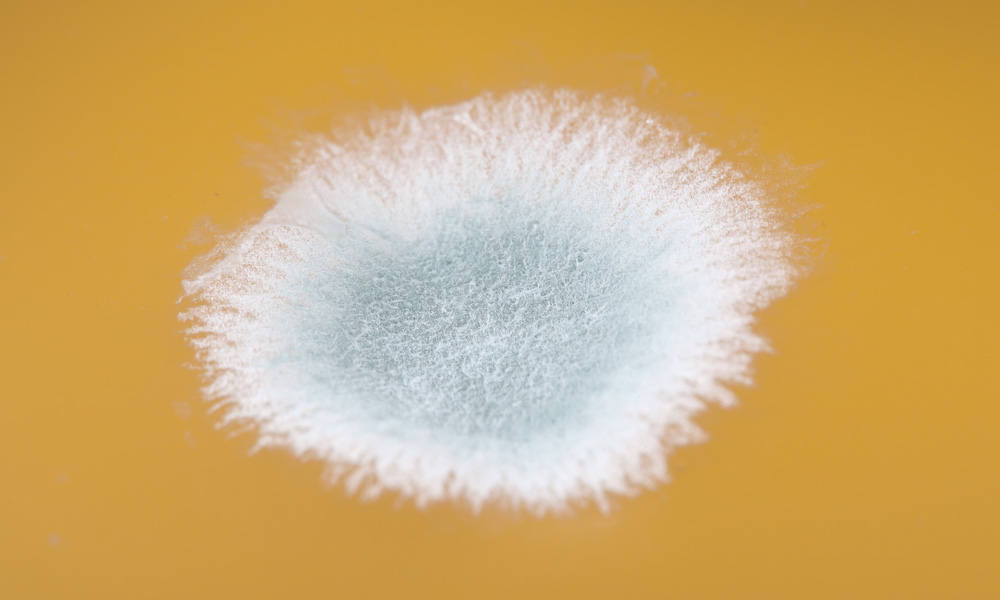
Underneath hardwood floors, mold can silently grow and threaten your health. Mold is a fungus that reproduces quickly and loves damp, humid areas. When left untreated, it can cause respiratory problems, headaches, and allergies. Unfortunately, mold is invisible to the naked eye, so spotting signs can be challenging.
One of the sneakiest places for mold growth is under hardwood floors since it is impossible to see without taking the floors up. Mold needs three things to grow: moisture, humidity, and a food source. If you have water damage or a leak, it is crucial to act quickly.
Professionals can help detect and remove the mold, and it’s important to keep the humidity in your home at a healthy level to prevent future growth.
How Mold Growth Under Hardwood Floors Can Affect Your Health
Mold growth under hardwood floors can lead to serious health problems if not handled properly. Common symptoms of mold-related illnesses include breathing difficulties, allergies, and infections. Health risks associated with hidden mold include headaches, fatigue, and even depression. It’s important to inspect your hardwood floors regularly for signs of mold, such as discoloration or soft spots.
If you suspect mold, contact a professional to identify the source and remove it safely. Protect your health and the health of your loved ones by addressing mold growth as soon as possible.
Identifying The Warning Signs Of Mold Under Hardwood Floors
Mold infestations beneath hardwood floors can pose significant health risks. Early detection is imperative to avoid further complications. Look out for physical signs of mold growth such as discoloration and warping in hardwood floors. The presence of a musty odor and persistent allergies are also warning signs.
These signs may indicate the presence of water damage, which is a leading cause of mold growth in hardwood floors. Addressing the issue immediately can mitigate any further damage to your property or health. Regular maintenance and prompt remediation of any water damage are essential to prevent mold growth.
Be vigilant and take the necessary precautions to keep your home mold-free.
Steps For Removing Mold Under Hardwood Floors
One of the most suspicious signs of mold under hardwood floors is a musty odor. If you notice a strange smell, you may want to check for other signs such as discoloration or buckling. Removing mold from hardwood floors requires precautionary measures.
Wear protective gear such as gloves, goggles, and mask when handling mold. Before the actual removal process, it is essential to determine the extent of mold growth. Proper tools and techniques such as hepa vacuums and antimicrobial sprays help eradicate mold.
After the removal, dispose of mold-contaminated materials safely and effectively. With these steps, removing mold from under hardwood floors will be much easier.
Conclusion
As a homeowner, it’s important to be vigilant of signs of mold under your hardwood floors. Whether it’s a musty odor or visible mold growth, these suspicious signs could indicate a larger problem. Don’t ignore the possible health risks associated with prolonged exposure to mold.
Instead, take quick action to identify and remediate the issue. If you suspect mold growth under your hardwood floors, consult a professional for guidance and next steps. Remember, prevention is key in avoiding potential damage to your home and your health.
By understanding the signs of mold under hardwood floors, you can stay ahead of potential problems and ensure a safe and healthy living environment for you and your family. Don’t wait, take action today and have peace of mind knowing your home is mold-free.