
Microfiber cloths are better for cleaning than cotton cloths because they are more efficient at trapping dust and dirt particles. They also require less water and cleaning solutions to achieve the same results.
Microfiber cloths are also much more durable and can withstand multiple washings without losing their cleaning power or shape. Using a microfiber cloth for cleaning can save time, money, and effort while also contributing to a more environmentally-friendly cleaning routine.
When it comes to cleaning, choosing the right material for the task at hand is important. Microfiber cloths have become increasingly popular in recent years due to their superior cleaning ability compared to traditional cotton cloths.
The small fibers in microfiber cloths are able to reach into the crevices of surfaces, making it easier to remove dirt and grime. Additionally, microfiber cloths are more sustainable because they require less water and cleaning solutions.
In this article, we will look at the differences between microfiber and cotton cleaning cloths and explain why microfiber is the better choice.
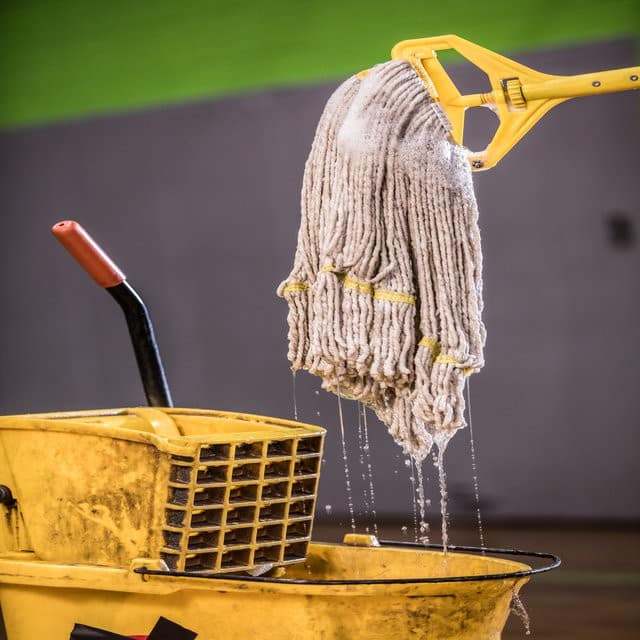
Credit: usa.ungerglobal.com
Quick Navigation
Understanding The Basics Of Microfiber And Cotton Cleaning Cloths
Microfiber and cotton cleaning cloths are two popular options for cleaning. Microfiber is made of synthetic fibers that are smaller than human hair, which makes it highly effective at removing dirt and debris without chemicals. Cotton is a natural fiber that has been used for centuries.
It is soft and gentle, making it a good option for delicate surfaces and items. Microfiber is more efficient at removing bacteria, while cotton is more absorbent. When choosing a cleaning cloth, consider the surface and the task at hand.
Microfiber is ideal for electronics and glass, while cotton is great for dishes and general cleaning. By understanding the differences between microfiber and cotton, you can select the right cloth for your cleaning needs.
Benefits Of Using Microfiber Cleaning Cloths Over Cotton Cloths
Using microfiber cleaning cloths instead of cotton ones provides numerous benefits. Firstly, microfiber cloths are extremely absorbent and can hold up to seven times their weight in liquid, making them ideal for cleaning spills and stains. Secondly, microfiber cloths are better at trapping dirt and dust particles, making them more effective at cleaning surfaces.
Additionally, microfiber cloths are gentle on surfaces and won’t scratch or damage them, unlike cotton cloths. They are also more durable and can withstand numerous washes, making them more cost-effective in the long run. Lastly, using microfiber cloths is more environmentally friendly than using cotton ones as they require less water and cleaning solutions.
All in all, switching to microfiber cleaning cloths is a smart choice for more efficient and effective cleaning.
Comparing The Cleaning Abilities Of Microfiber And Cotton Cloths
When it comes to cleaning, the type of cloth you choose matters. Microfiber and cotton cleaning cloths are two popular options. Both have their pros and cons, but how do they compare in terms of cleaning abilities? Microfiber cloths are known for their ability to trap dirt and absorb moisture, making them great for wiping down surfaces without leaving streaks.
Cotton cloths, on the other hand, are more durable and can handle tougher cleaning tasks. However, they are not as effective at picking up dirt and debris as microfiber cloths. Ultimately, the best choice depends on the task at hand.
For everyday cleaning tasks, microfiber cloths are a great option, but for tough dirt and grime, cotton cloths may be the better choice.
Applications For Microfiber Cloth And Cotton Cloth In Cleaning Different Types Of Surfaces
When it comes to cleaning, both microfiber and cotton cloths have different applications. Microfiber cloths are ideal for cleaning electronics, windows, and stainless steel surfaces because of their absorbency and static charge. On the other hand, cotton cloths are better for cleaning delicate surfaces like glass, ceramic, and other fragile materials.
When cleaning grease or oil from a surface, cotton cloth is more effective than a microfiber cloth. In addition, a microfiber cloth can hold up to seven times its weight in water, making it an excellent option for cleaning spills or wet surfaces.
Remember that choosing the right cloth for the job is essential to maintaining cleanliness and preventing damage to surfaces.
How To Take Care Of Microfiber And Cotton Cleaning Cloths
Microfiber and cotton are two commonly used materials for cleaning cloths. It’s important to take care of these clothes properly to maintain their effectiveness over time. When washing microfiber cloths, avoid using fabric softener or bleach, and use a gentle detergent.
Dry them on a low heat setting. For cotton clothes, use a hot water cycle with regular detergent and tumble dry. Don’t use fabric softener or dryer sheets as they can build up and decrease absorbency. Both types of clothes should be washed separately from other laundry items to avoid any lint or debris sticking to them.
By following these simple guidelines, your cleaning cloths will stay effective for longer, saving you time and money in the long run.
Conclusion
In the battle of microfiber vs cotton cleaning cloths, there are advantages and disadvantages to both. Microfiber is adept at picking up dust and grime, engineered to trap dirt and bacteria within its fibers. Cotton is a more natural and renewable resource, and is also highly absorbent.
Both materials have their place in cleaning, with microfiber being better suited for electronic screens, glass surfaces, and delicate items, and cotton being better suited for spills and heavy-duty cleaning tasks. It ultimately comes down to personal preference and the task at hand.
Whichever cloth you choose, it is important to properly care for it to ensure longevity and effectiveness in cleaning. Regular washing, avoiding bleach and fabric softeners, and air drying are all key to maintaining the quality of your cleaning cloth.
So, whether you are a microfiber fan or a cotton lover, both materials have their merits and can help keep your home clean and tidy.