Have you ever taken freshly washed clothes out of your washing machine, only to discover that they smell sour instead of clean? Even after adding extra detergent or fabric softener, that unpleasant smell may refuse to disappear.
If you’re wondering, why do my clothes smell sour after washing?, the problem could be caused by odor-producing bacteria, trapped moisture, detergent buildup, or a dirty washing machine.
Fortunately, you don’t necessarily need to replace your washing machine or throw away your clothes. Identifying the underlying cause and making a few changes to your laundry routine can help eliminate unpleasant odors.
Quick Navigation
Why Do My Clothes Smell Sour After Washing?
Clothes usually smell sour after washing because moisture, bacteria, body oils, and laundry product residue remain in the fabric or washing machine. Leaving wet clothes in the washer, using too much detergent, overloading the drum, and drying clothes too slowly can make the problem worse.
To remove sour smells, clean your washing machine if necessary, rewash affected clothing with the correct amount of detergent, and dry everything thoroughly.
What Causes Clothes to Smell Sour After Washing?
The following table can help you identify the possible source of your laundry odors.
| Laundry problem | Likely cause | Recommended solution |
|---|---|---|
| Clothes smell immediately after washing | Dirty washer or incomplete cleaning | Inspect the washer and rewash |
| Clothes smell after drying | Slow or incomplete drying | Improve airflow and drying |
| Towels smell sour when wet | Trapped residue and microorganisms | Wash separately and dry thoroughly |
| Gym clothes smell sour | Body oils trapped in synthetic fibers | Use a suitable enzyme detergent |
| Clothes feel sticky or stiff | Detergent buildup | Adjust detergent dosage |
| Washing machine smells musty | Moisture and internal buildup | Run a washer cleaning cycle |
| Laundry smells after sitting overnight | Prolonged dampness | Rewash promptly |
| Clothes smell like sewage | Possible drainage issue | Inspect washer drainage |
9 Reasons Why Your Clothes Smell Sour After Washing
1. Leaving Wet Clothes in the Washing Machine Too Long
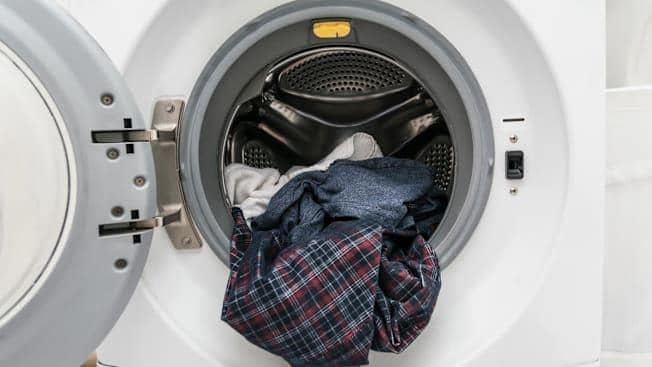
One of the most common reasons for sour-smelling laundry is leaving wet clothes inside the washing machine after the cycle finishes.
A damp, enclosed washing machine creates favorable conditions for odor-producing microorganisms. The longer wet clothing remains inside, the greater the opportunity for unpleasant smells to develop.
Research published in the journal Microorganisms discusses how prolonged damp storage after laundering contributes to textile malodors.
How to fix it:
- Remove clothes promptly after washing.
- Set a reminder when starting a laundry cycle.
- Rewash laundry that has developed a sour smell.
- Transfer clothes directly to the dryer or drying rack.
Avoid leaving wet laundry inside the washing machine overnight.
2. Your Washing Machine Needs Cleaning
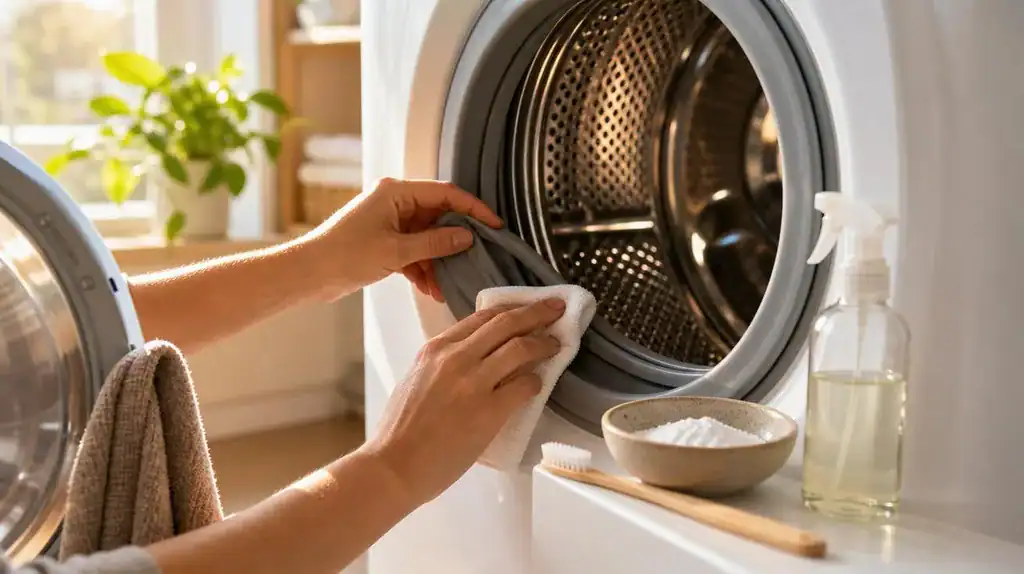
Your washing machine may look clean from the outside while harboring detergent residue, lint, moisture, and other buildup inside.
Front-loading washing machines are particularly susceptible to moisture collecting around the rubber door gasket.
Common areas where residue accumulates include the drum, detergent dispenser, rubber door seal and accessible drain filter.
If every load of laundry smells sour, even when removed immediately after washing, the washing machine itself may be responsible.
How to fix it:
- Wipe the rubber door gasket according to the manufacturer’s instructions.
- Clean the detergent dispenser.
- Inspect the drain filter if your model has a user-serviceable one.
- Run the recommended washing machine cleaning cycle.
- Use a manufacturer-approved washing machine cleaner.
According to LG’s washing machine odor troubleshooting guide, trapped moisture and laundry product residue can contribute to microbial growth and unpleasant odors.
3. Using Too Much Laundry Detergent
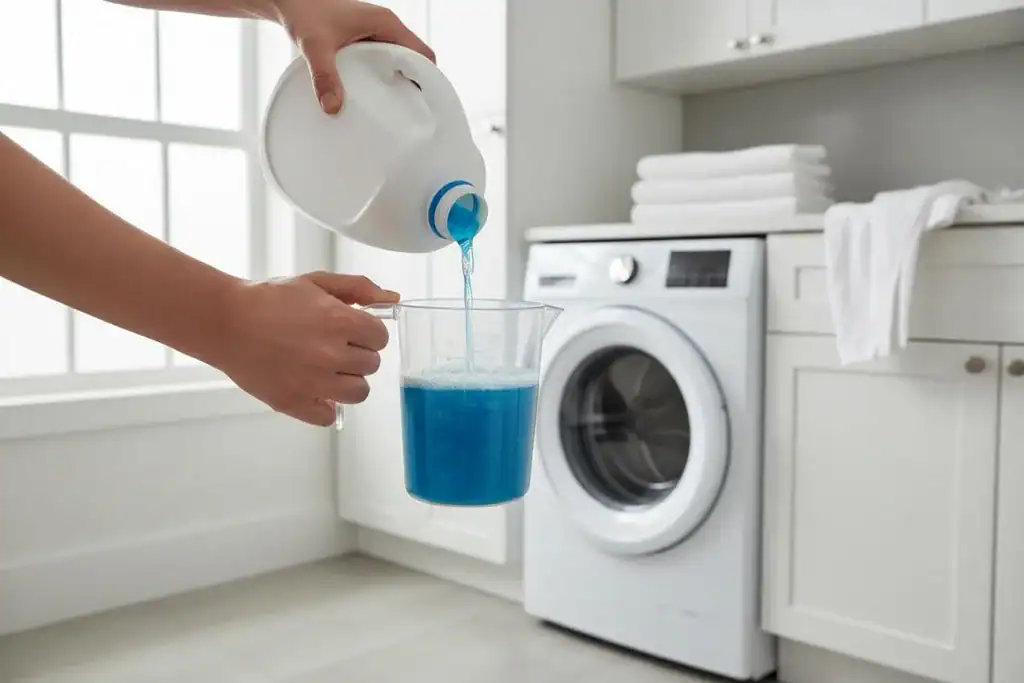
Adding more detergent may seem like the obvious solution to smelly laundry. However, excessive detergent can actually contribute to the problem.
When detergent does not rinse away properly, residue can remain on clothes and inside the washing machine. This buildup may contribute to lingering odors and make fabrics feel stiff or sticky.
High-efficiency washing machines are particularly sensitive to excessive suds.
How to fix it:
- Follow the detergent manufacturer’s dosage instructions.
- Use HE detergent in high-efficiency washing machines.
- Adjust the amount according to load size, soil level and water hardness.
- Consider an extra rinse cycle if residue remains.
If you notice white marks or detergent residue on your garments, follow our guide on how to remove detergent stains from clothes.
4. Washing Too Many Clothes at Once
Overloading your washing machine prevents clothing from moving freely during the wash cycle.
When the drum is packed too tightly, detergent and water may not circulate effectively throughout the load. Sweat, dirt, and body oils can remain trapped in the fabric.
Heavy items such as towels, jeans, and bedding can make this problem more noticeable.
How to fix it:
- Follow your washing machine’s load capacity recommendations.
- Avoid compressing clothes tightly into the drum.
- Separate heavily soiled clothing from lightly worn garments.
- Wash bulky towels and bedding in appropriately sized loads.
Smaller, correctly sized loads can improve cleaning and rinsing performance.
5. Using the Wrong Water Temperature or Wash Cycle
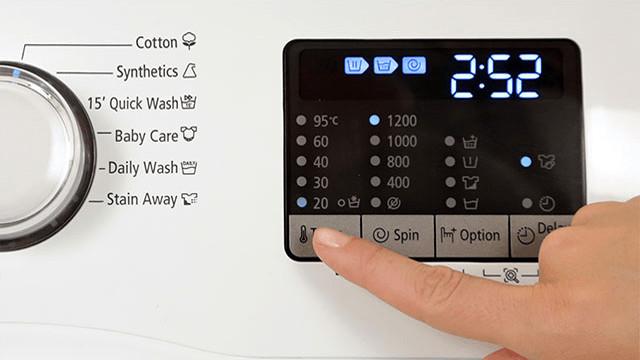
Cold-water washing saves energy and is suitable for many types of clothing. However, heavily soiled garments may require a different wash cycle, detergent, or water temperature.
Short wash cycles may also provide insufficient cleaning time for clothing containing substantial sweat, grease, or body oils.
How to fix it:
Use the warmest water permitted by the garment’s care label when appropriate, select a detergent designed for your chosen temperature, and use a normal or heavy-duty cycle for suitable heavily soiled laundry.
Never assume that hot water is safe for every fabric.
If you regularly use laundry detergent pods, read our guide explaining whether Tide Pods work in cold water.
6. Sweat and Body Oils Remain Trapped in Clothes
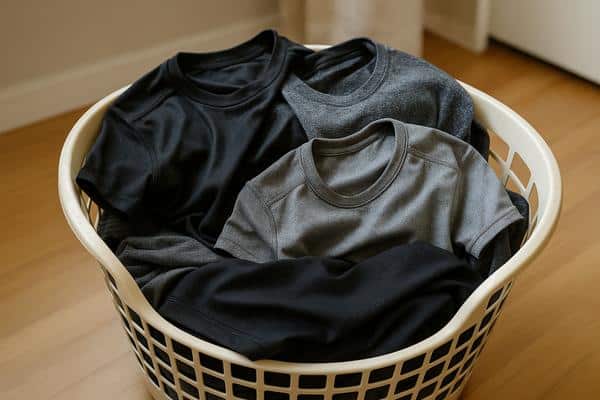
Workout clothes, socks, underwear, and synthetic sportswear can retain unpleasant odors even after washing.
Synthetic materials such as polyester can hold onto oily substances that are difficult to remove through ordinary washing.
Sometimes clothing smells fresh when dry but develops an unpleasant odor again when exposed to body heat or moisture.
How to fix it:
- Turn workout clothes inside out before washing.
- Pretreat heavily affected areas with a compatible detergent.
- Choose an enzyme-based laundry detergent suitable for the fabric.
- Avoid fabric softener if prohibited by the clothing manufacturer.
- Wash sweaty clothes promptly or allow them to dry before placing them in the hamper.
Enzyme detergents may help break down certain types of organic stains and body soils that contribute to persistent odors.
7. Excessive Fabric Softener Buildup
Fabric softener can make clothing feel softer and add fragrance. However, using too much can leave a coating on certain fabrics.
This is especially problematic for towels, microfiber materials, and moisture-wicking sportswear.
Adding additional fragrance may temporarily mask an unpleasant smell without removing its underlying cause.
How to fix it:
Reduce or temporarily discontinue fabric softener, rewash affected garments using the correct detergent dosage, and follow fabric-specific care instructions.
Consider fragrance-free laundry products if strong fragrances make it difficult to identify persistent odors.
8. Clothes Are Not Drying Properly

If your clothes smell fresh immediately after washing but develop a sour smell later, the drying process may be responsible.
Clothing that remains damp for extended periods can develop unpleasant odors, particularly in humid environments with inadequate airflow.
Thick towels, hoodies, jeans, and bedding take longer to dry than lightweight clothing.
How to fix it:
- Hang clothes with adequate space between garments.
- Dry laundry in a well-ventilated area.
- Avoid overloading your tumble dryer.
- Clean the dryer’s lint filter according to its instructions.
- Check thick seams and pockets for remaining moisture.
- Use a fan or dehumidifier when indoor humidity is high.
Never fold or store clothes while they are still damp.
9. Washing Machine Drainage Problems
Sometimes the sour smell is not caused by clothing or detergent. Poor drainage may allow dirty water to remain inside the washing machine or contribute to odors entering the appliance.
Potential warning signs include standing water, unusually wet laundry, slow drainage, and a persistent sewage-like smell.
How to fix it:
Check your washing machine’s manual for instructions on inspecting the drain hose and accessible pump filter.
Switch off and unplug the machine before performing maintenance where directed.
If you notice recurring standing water, drainage errors, leaks, or sewage odors, contact a qualified appliance technician or plumber.
How to Get the Sour Smell Out of Clothes

If your freshly washed laundry already smells unpleasant, follow this step-by-step cleaning method.
Step 1: Identify the source of the odor
Smell the empty washing machine before rewashing your clothes.
If the drum or rubber gasket smells musty, clean the appliance first. Otherwise, you risk transferring unpleasant odors back onto your laundry.
Step 2: Separate affected clothes
Wash sour-smelling towels, workout clothing, and heavily soiled garments separately where practical.
Sort items according to fabric type and care-label instructions.
Step 3: Use the right laundry detergent
Choose a detergent suitable for the fabric and washing machine.
An enzyme-based detergent may be helpful for clothing containing sweat, body oils, and organic residues.
Measure the recommended quantity instead of adding extra detergent.
Step 4: Choose a suitable wash cycle
Select an appropriate cycle that provides enough cleaning and rinsing time.
Use a suitable warmer temperature if permitted by the clothing care label.
For washable, compatible fabrics, a laundry odor-removing additive or oxygen-based laundry booster may also be helpful when used according to its instructions.
Step 5: Dry clothes immediately
Remove clothing promptly once the washing cycle finishes.
Tumble dry or air-dry according to the garment’s care instructions, ensuring everything is completely dry before storing.
If odors persist, investigate the underlying cause before repeatedly applying stronger cleaning chemicals.
Best Products for Removing Sour Laundry Smells
Different laundry odor problems require different solutions. Buying the right cleaning product can be more effective than repeatedly washing clothes with additional detergent.
| Product type | Best for | Suggested use |
|---|---|---|
| Washing machine cleaner tablets | Musty washing machines | Periodic washer maintenance |
| Enzyme laundry detergent | Sweat and body oils | Workout clothes and everyday laundry |
| Laundry odor eliminator | Persistent fabric odors | Compatible washable garments |
| Oxygen-based laundry booster | Organic stains and odors | Suitable colorfast fabrics |
| Indoor drying rack | Slow drying | Improving garment spacing |
| Dehumidifier | Humid laundry rooms | Reducing indoor moisture |
Washing machine cleaner tablets
1. Affresh Washing Machine Cleaner

A dedicated washing machine cleaner is worth considering if multiple loads of clothing develop the same unpleasant smell.
Follow the appliance and cleaning product instructions when using cleaning tablets.
Laundry odor-fighting detergent
1. Tide Ultra Oxi Laundry Detergent

An option for regularly washing heavily soiled, compatible clothing.
Choose a detergent formulated for the kinds of soils and fabrics you regularly wash.
Laundry odor eliminator
1. OxiClean Odor Blasters

An oxygen-based laundry additive to consider for compatible towels, sportswear, and clothing with persistent odors.
Always check the product’s fabric compatibility and follow its usage instructions.
Affiliate disclosure: As an Amazon Associate, TutorClean earns from qualifying purchases.
Can Vinegar Remove Sour Smells From Clothes?
Distilled white vinegar is a popular household remedy for laundry odors, but it is not appropriate for every washing machine or fabric.
Although vinegar may help with certain residues and odors, it does not replace proper laundering or washing machine maintenance.
Some appliance manufacturers discourage regular vinegar use because acidic products may affect certain rubber components.
Before using vinegar, check both your appliance manual and garment care instructions.
Important safety warning: Never mix vinegar with chlorine bleach. Combining these substances can release dangerous chlorine gas. Do not mix laundry cleaning chemicals unless their manufacturers explicitly permit it.
Why Do My Towels Smell Sour After Washing?
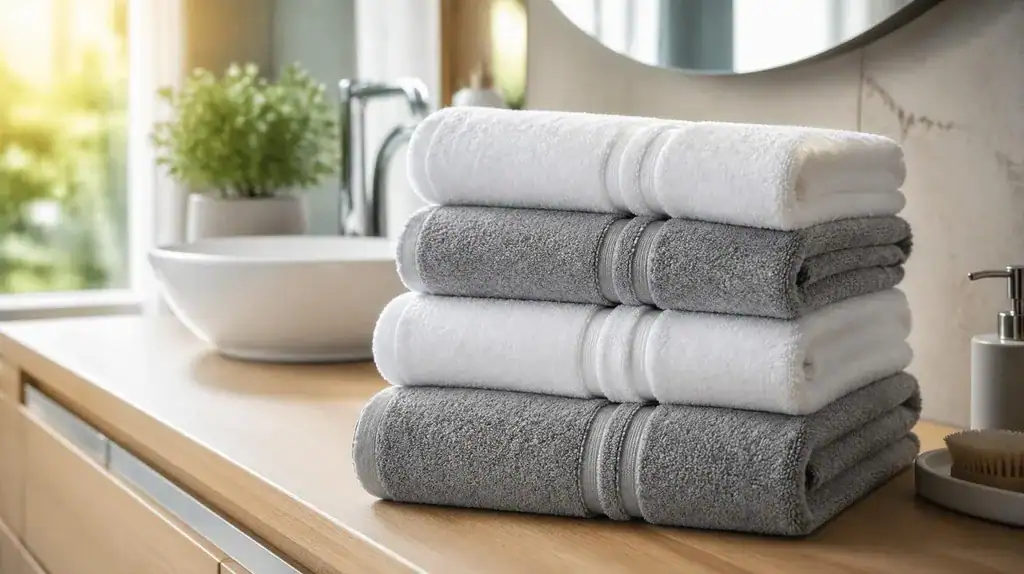
Towels absorb substantial amounts of moisture, body oils, and other residues during everyday use.
Because they are thicker than ordinary clothing, they may also take longer to dry.
A towel that appears clean may develop a sour smell when it becomes damp again if odor-producing residues remain in the fibers.
To keep towels smelling fresh:
- Allow used towels to dry before putting them in a laundry hamper.
- Wash towels in appropriately sized loads.
- Avoid excessive detergent and fabric softener.
- Use a suitable wash cycle and temperature.
- Dry towels thoroughly before folding.
If all your towels continue to smell unpleasant, inspect and clean the washing machine.
Why Do My Clothes Smell Sour After Drying?
Clothes that develop a sour smell after drying may not have dried quickly or thoroughly enough.
Common causes include poor ventilation, overcrowded drying racks, high indoor humidity, and overloaded tumble dryers.
If clothing smells unpleasant after tumble drying, inspect the dryer for trapped lint, poor airflow, or other maintenance problems.
Do not store damp laundry inside drawers or closed wardrobes.
How to Prevent Clothes From Smelling Sour After Washing
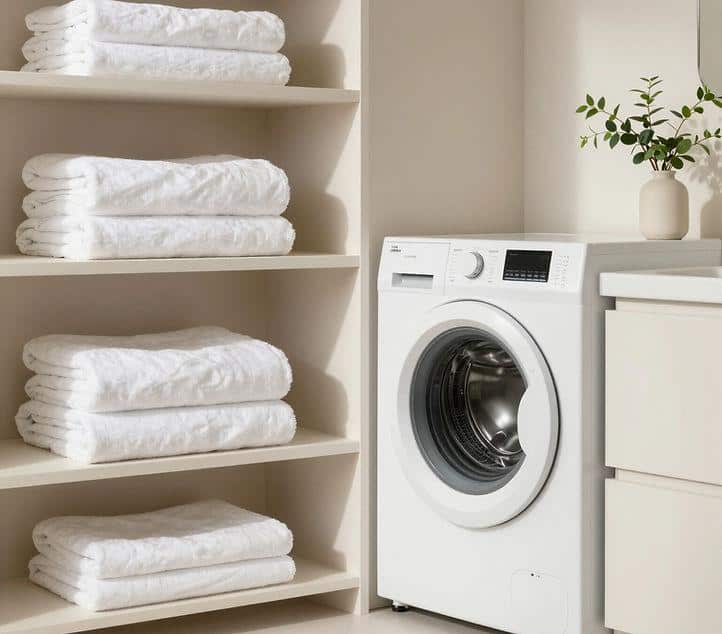
Preventing laundry odors is generally easier than removing established smells.
Develop these simple habits:
- Remove laundry promptly after every wash.
- Use the correct amount of detergent.
- Avoid overloading the washing machine.
- Clean the washer at the intervals recommended by its manufacturer.
- Wipe moisture from the door gasket when appropriate.
- Allow the washer to ventilate between cycles when safe around children and pets.
- Dry sweaty clothing before storing it in a hamper if you cannot wash it immediately.
- Use appropriate wash cycles for heavily soiled garments.
- Avoid excessive fabric softener.
- Dry clothes completely before folding or storing.
Following these practices can help reduce recurring laundry odors without relying on strongly scented products.
Frequently Asked Questions:
Why do my clothes smell worse after washing?
Your washing machine may contain odor-producing buildup, or the wash cycle may not have adequately removed sweat, oils, and dirt. Excess detergent and leaving laundry damp can also contribute to worsening odors.
Should I rewash clothes that smell sour?
Yes. Sour-smelling clothes should generally be rewashed using a suitable detergent and wash cycle. If the washing machine itself smells unpleasant, clean it before rewashing.
Can too much detergent make clothes smell bad?
Yes. Excess detergent can leave residue on fabrics and inside the washing machine, contributing to persistent odors and inadequate rinsing.
Does hot water remove sour smells from clothes?
Warmer water can improve the removal of certain types of soil when combined with a suitable detergent. However, hot water is not safe for every fabric and does not guarantee complete odor removal.
Why do my clothes smell sour when I sweat?
Body heat and moisture may make existing odor-causing substances trapped in clothing more noticeable. This is particularly common with synthetic workout clothing.
How often should I clean my washing machine?
Follow your washing machine manufacturer’s maintenance schedule. Many models recommend a dedicated cleaning cycle approximately once a month or after a specified number of wash cycles.
Can baking soda remove sour laundry smells?
Baking soda may help reduce certain odors, but it is not a universal solution. Use laundry additives only when compatible with your washing machine and clothing.
Does fabric softener remove bacteria from clothes?
Ordinary fabric softener is primarily designed to improve fabric feel and fragrance. It should not be treated as a disinfectant or a substitute for proper laundering.
Final Thoughts
So, why do my clothes smell sour after washing?
In most cases, the problem comes down to trapped moisture, detergent residue, an unclean washing machine, incomplete soil removal, or inadequate drying.
Start by checking your washing machine, adjusting your detergent dosage, and improving your drying routine.
For persistent workout clothing odors, consider an appropriate enzyme-based detergent. If your washing machine itself smells unpleasant, a dedicated washer cleaner may be a better starting point.
By addressing the actual source of the odor rather than simply masking it with fragrance, you can enjoy fresher laundry and reduce the need for repeated washing.