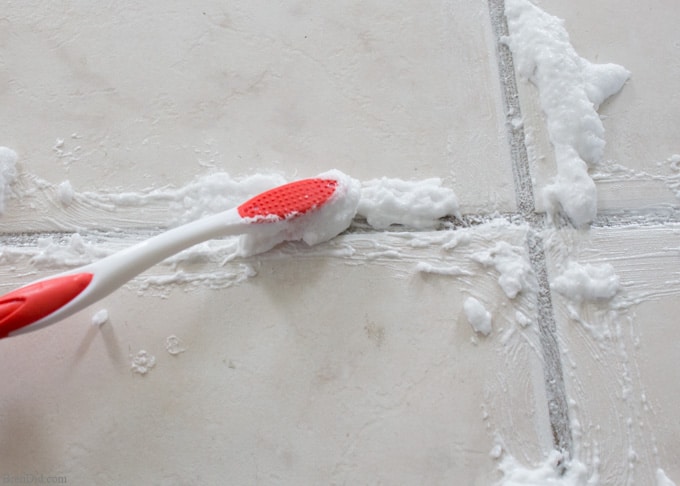
Cleaning dirty grout can be frustrating, especially when regular mopping and bathroom cleaners fail to remove stubborn stains. Two popular tools that make this task easier are electric spin scrubbers and steam cleaners. But which one actually works better?
When comparing a spin scrubber vs steam cleaner for grout, the biggest difference is how each machine removes dirt. A spin scrubber uses rotating bristles to dislodge grime, while a steam cleaner uses heat and moisture to loosen stubborn buildup.
Both tools can be effective, but choosing the right one depends on your grout type, the condition of your tiles, and the kind of dirt you need to remove.
Quick Navigation
Spin Scrubber vs Steam Cleaner for Grout: Quick Answer
An electric spin scrubber is generally the better first choice for routine grout cleaning, soap scum, and everyday dirt. A steam cleaner is particularly useful for loosening stubborn grime and cleaning narrow grout lines on compatible, undamaged surfaces.
For heavily soiled grout, using both methods carefully can provide better results than relying on either tool alone.
However, if your grout is cracked, crumbling, or sensitive to heat, neither aggressive scrubbing nor steam cleaning is recommended.
Spin Scrubber vs Steam Cleaner: Comparison Table
| Feature | Spin Scrubber | Steam Cleaner |
|---|---|---|
| Cleaning method | Rotating brush agitation | Heat and moisture |
| Everyday grout cleaning | Very suitable | Suitable on compatible grout |
| Stubborn buildup | Effective with an appropriate cleaner | Useful for loosening grime |
| Soap scum removal | Effective with a suitable cleaner | Helps loosen deposits |
| Kitchen grease | Effective with degreaser | Helps soften greasy residue |
| Narrow grout lines | Requires a suitable brush head | Effective with a detail nozzle |
| Cleaning products | Often required | Usually water only |
| Preparation | Minimal | Requires heating |
| Burn risk | Low during normal use | Hot steam can cause burns |
| Weekly maintenance | Generally more convenient | Depends on surface compatibility |
| Damaged grout | Not recommended | Not recommended |
A spin scrubber is usually the more practical option for regular household cleaning, while a steam cleaner can be a valuable addition for occasional deep cleaning.
How Does an Electric Spin Scrubber Clean Grout?
An electric spin scrubber is a motorized cleaning brush with a rotating head. Instead of repeatedly moving a brush by hand, you guide the powered brush over the dirty surface.
The rotating bristles create mechanical agitation that helps loosen dirt, soap residue, and other deposits from grout joints.
Most electric spin scrubbers come with interchangeable attachments designed for different cleaning tasks. These may include:
- Flat brushes for large tiled surfaces.
- Small round brushes for targeted cleaning.
- Tapered brushes for grout lines and corners.
- Soft-bristle brushes for more delicate surfaces.
Long-handled cordless models can also make floor and shower wall cleaning more comfortable by reducing the need to kneel or bend repeatedly.
Advantages of using a spin scrubber
- Reduces repetitive manual scrubbing.
- Works well with grout-safe cleaning products.
- Convenient for regular bathroom maintenance.
- Suitable for many ceramic and porcelain tile installations.
- Offers different brush attachments for different surfaces.
- Does not expose grout to high-temperature steam.
Disadvantages of using a spin scrubber
- May require a separate cleaning solution.
- Excessive pressure can damage weakened grout.
- Abrasive brushes may scratch surrounding tiles.
- Wide brush heads may not reach recessed grout joints.
- Cordless models require battery charging.
If you are considering buying one, explore our guide to the best cordless spin scrubbers for bathrooms to find options designed for tiles, tubs, and grout.
How Does a Steam Cleaner Clean Grout?
A steam cleaner heats water and releases steam through a nozzle or cleaning attachment.
The combination of heat and moisture helps soften certain types of residue, making dirt easier to dislodge and wipe away.
Handheld and canister steam cleaners often include small brush attachments and concentrated nozzles that can reach narrow grout joints.
Unlike many conventional cleaning methods, most steam cleaners operate using water without requiring additional cleaning chemicals in the tank.
However, steam does not automatically collect the dirt it loosens. You still need to remove dirty moisture using a microfiber cloth, sponge, or another suitable cleaning method.
Advantages of using a steam cleaner
- Can clean compatible surfaces without added detergent.
- Helps loosen greasy and sticky deposits.
- Reaches narrow grout lines and difficult corners.
- Useful for targeted deep cleaning.
- Can reduce the need for aggressive manual scrubbing.
Disadvantages of using a steam cleaner
- Requires time to heat up.
- Hot steam presents a burn hazard.
- May affect incompatible grout, sealers, or delicate tiles.
- Cannot repair damaged or permanently discolored grout.
- Requires wiping away loosened dirt afterward.
A handheld model with a dedicated grout attachment is usually more suitable for detailed cleaning than a conventional flat-head steam mop.
Read our guide to the best handheld steam cleaners for grout to compare available options.
Which Is Better for Different Types of Grout Stains?
Not all grout stains respond to the same cleaning method. Identifying the source of the discoloration can save time and prevent unnecessary damage.
| Grout cleaning problem | Recommended approach |
|---|---|
| Everyday dirt | Spin scrubber and mild cleaner |
| Soap scum | Spin scrubber and compatible bathroom cleaner |
| Greasy kitchen residue | Compatible steam cleaning or grout-safe degreaser |
| Stubborn surface grime | Steam and gentle scrubbing |
| Hard water deposits | Manufacturer-approved mineral deposit cleaner |
| Mold or mildew | Suitable cleaning method and moisture control |
| Permanent discoloration | Professional restoration or grout colorant |
| Cracked or crumbling grout | Inspection and repair |
Everyday dirt and bathroom grime
For regular household dirt, an electric spin scrubber combined with a mild, grout-safe cleaning solution is often sufficient.
It provides consistent brush movement without the preparation required for steam cleaning.
Soap scum
Soap scum forms when soap residue combines with minerals in water. Over time, it creates a film that collects additional dirt.
A spin scrubber paired with a suitable bathroom cleaner can help break down this buildup. Steam may also soften some deposits, but thicker residue often needs mechanical cleaning.
Grease and oily kitchen grout
Steam can be useful for softening greasy residue around tiled kitchen floors and backsplashes, provided the installation is compatible with steam cleaning.
For persistent grease, a surface-approved degreaser and gentle agitation may be necessary.
Hard water stains
Hard water deposits contain minerals that may remain after ordinary scrubbing or steaming.
Neither machine guarantees complete mineral deposit removal. You may need a cleaning product specifically approved for your tile and grout.
Avoid using vinegar or acidic descalers on natural stone or cement-based grout unless the manufacturer expressly permits them.
Mold and mildew
Dark grout lines may indicate mold, mildew, trapped dirt, or permanent staining.
Cleaning visible mold is only part of the solution. Moisture control is essential to prevent it from returning.
The U.S. Environmental Protection Agency’s mold cleanup guidance recommends cleaning affected hard surfaces with detergent and water, then drying them thoroughly.
Improve bathroom ventilation, repair leaks, and investigate recurring mold rather than relying on steam alone. Extensive mold growth or suspected moisture behind tiles may require professional assessment.
Which Cleaning Method Is Safest for Your Grout?
Before choosing between a spin scrubber and steam cleaner, identify the type and condition of your grout.
Cement-based grout
Traditional cement-based grout is common in tiled bathrooms, kitchens, and floors. It is generally more porous than epoxy grout and can absorb moisture and dirt.
A mild grout cleaner and a non-abrasive nylon brush are sensible starting points.
Steam cleaning may also be suitable when the grout is fully cured, structurally sound, and approved for steam cleaning by the relevant manufacturers.
Avoid excessive brush pressure and prolonged exposure to concentrated steam.
Epoxy grout
Epoxy grout is generally more resistant to moisture and staining than traditional cement-based grout.
For routine maintenance, a soft brush and compatible pH-neutral cleaner are usually preferable.
Some epoxy grout formulations tolerate steam, while others may be sensitive to elevated temperatures. Always check the specific product’s maintenance instructions before using a steam cleaner.
Sealed and unsealed grout
Sealing can improve the stain resistance of certain grout products, but it does not make them completely waterproof or immune to damage.
Some sealers may be affected by high temperatures or incompatible cleaning products.
If your grout is unsealed, or you are unsure which sealer was applied, begin with gentle cleaning rather than concentrated steam.
Natural stone tiles
Marble, limestone, travertine, and other natural stone surfaces require particular care.
Use a cleaner approved for the specific stone and avoid abrasive attachments.
Do not assume that a cleaning method suitable for ceramic tiles will also be safe for natural stone.
Florida Tile’s care and maintenance guidance provides additional information about selecting suitable cleaning products and avoiding surface damage.
How to Clean Grout With a Spin Scrubber
Using the right brush and cleaning solution is more important than selecting the highest available speed.
Follow these steps for effective grout cleaning.
Step 1: Remove loose dirt
Sweep or vacuum tiled floors before cleaning.
For shower walls, remove loose debris and rinse away surface residue.
Step 2: Apply a suitable grout cleaner
Choose a cleaning solution compatible with both your tile and grout.
Allow the product to work for the amount of time specified on its label. Do not let it dry on the surface unless directed.
Step 3: Choose the correct brush attachment
Select a narrow, non-abrasive nylon brush that reaches into the grout joint.
Avoid metal brushes and excessively stiff attachments that could damage the tile finish or grout.
Step 4: Scrub gently
Place the brush against the surface before switching on the scrubber.
Move slowly along the grout lines using light pressure. Let the motor perform the scrubbing instead of forcing the brush downward.
Step 5: Rinse and dry
Remove loosened dirt and cleaning residue using clean water or a damp microfiber cloth, following the cleaning product’s instructions.
Dry the area thoroughly before evaluating the results.
Grout often appears darker when wet, so its final appearance is easier to assess once it has dried.
For smaller spaces and detailed cleaning tasks, see our comparison of the best handheld power scrubbers.
How to Clean Grout With a Steam Cleaner
If your grout, tile, and sealer are approved for steam cleaning, follow these steps.
Step 1: Prepare the surface
Sweep, vacuum, or wipe away loose dirt and debris.
Inspect the grout for cracks, gaps, and deterioration before applying steam.
Step 2: Prepare the steam cleaner
Fill the machine with the type of water specified in its user manual.
Distilled or demineralized water may be recommended for some machines to reduce mineral buildup.
Never add bleach, vinegar, detergent, or other cleaning products to the steam tank unless the manufacturer explicitly permits it.
Step 3: Attach a grout cleaning nozzle
Use a dedicated grout nozzle or compatible non-abrasive brush attachment.
Test a small, inconspicuous area before cleaning the entire surface.
Step 4: Steam small sections
Guide the nozzle along the grout lines using the recommended settings.
Keep the attachment moving rather than concentrating steam on one spot for an extended period.
When cleaning shower walls, work from the upper tiles toward the bottom.
Step 5: Wipe away loosened grime
Use a clean microfiber cloth to collect dirty moisture before it dries back onto the surface.
Rinse if required, then allow the grout to dry completely.
Keep your hands away from the steam outlet and hot attachments. Follow the machine’s cooling and depressurization instructions before refilling or changing accessories.
For additional instructions, see Lowe’s guide to steam cleaning grout.
Can You Use a Spin Scrubber and Steam Cleaner Together?
Yes. When your tile, grout, and sealer are compatible with both methods, combining steam and powered scrubbing can help tackle stubborn buildup.
The goal is to loosen grime, dislodge it, and remove it from the surface.
A practical cleaning sequence is:
- Remove loose surface dirt.
- Clean the grout using a compatible cleaner and gentle scrubbing.
- Rinse away cleaning product residue.
- If grime remains, use steam on the approved surface.
- Allow the surface to cool before any additional gentle scrubbing.
- Wipe away dirty moisture and dry the area.
Do not apply steam directly over chemical cleaning products unless both manufacturers explicitly approve that use.
You do not need to use both machines every time you clean. Reserve the additional steps for buildup that does not respond to ordinary maintenance.
Steam Cleaner vs Spin Scrubber: Which Is Easier to Use?
For large tiled bathrooms and routine cleaning, a long-handled cordless spin scrubber is often more convenient.
There is no boiler to heat, and the rotating brush reduces repetitive hand movements.
Handheld steam cleaners are particularly useful for small areas, narrow grout joints, and difficult corners. However, their water tanks may require frequent refilling during larger cleaning jobs.
Canister steam cleaners typically provide greater working capacity, but they may be less convenient to store and move around.
When choosing between these designs, consider the size of the area you clean, the weight of the equipment, the available attachments, and how often you intend to use it.
You can also explore our steam mop vs handheld steam cleaner comparison for help choosing the right type of steam cleaning equipment.
What to Look for When Buying a Grout Cleaning Machine
You do not necessarily need the most powerful or expensive machine to clean household grout effectively.
Features to look for in a spin scrubber
- Dedicated grout or corner brush.
- Replaceable, non-abrasive brush heads.
- Adjustable speed settings.
- Comfortable handle and suitable reach.
- Adequate battery runtime.
- Water resistance appropriate for the intended cleaning area.
Features to look for in a steam cleaner
- Dedicated grout cleaning attachment.
- Adjustable steam output, where available.
- Suitable water tank capacity.
- Comfortable hose or nozzle design.
- Clear operating and safety instructions.
- Availability of replacement accessories.
Check the appliance’s surface compatibility instructions before buying. A high rotation speed or high steam temperature does not necessarily guarantee better cleaning results.
How to Keep Grout Clean for Longer
Preventing buildup is often easier than repeatedly deep-cleaning neglected grout.
Use these maintenance tips:
- Remove loose dirt from tiled floors regularly.
- Use a compatible pH-neutral cleaner for routine cleaning.
- Wipe or squeegee shower walls after use.
- Run the bathroom exhaust fan to reduce humidity.
- Address spills before they become embedded stains.
- Avoid harsh cleaners and excessively abrasive brushes.
- Inspect grout periodically for cracks or deterioration.
- Reseal grout when recommended by the grout or sealer manufacturer.
Regular gentle maintenance can reduce the need for intensive scrubbing and steam cleaning.
When Should You Replace Grout Instead of Cleaning It?
Neither a spin scrubber nor a steam cleaner can restore grout that has physically deteriorated.
Cleaning may not solve the problem if you notice:
- Crumbling or missing grout.
- Large or recurring cracks.
- Loose tiles.
- Persistent moisture problems.
- Discoloration that remains after appropriate cleaning.
- Mold returning from beneath or behind tiles.
Depending on the cause, you may need grout restoration, recoloring, replacement, or professional tile repair.
Avoid repeatedly increasing cleaning pressure or steam exposure in an attempt to fix damaged grout.
Frequently Asked Questions
Do electric spin scrubbers really work on grout?
Yes. Electric spin scrubbers can effectively loosen everyday dirt and buildup when equipped with a suitable brush and used with a compatible cleaning solution. Their performance depends on the brush design, grout condition, and type of stain.
Is steam cleaning better than scrubbing grout?
Not in every situation. Steam is useful for loosening certain stubborn deposits, while scrubbing provides the mechanical action needed to remove them. Gentle scrubbing is generally the better starting point for routine maintenance.
Can steam cleaning damage grout?
Yes, under certain conditions. Incompatible grout formulations, vulnerable sealers, uncured grout, and existing damage can make steam cleaning unsuitable. Always check the manufacturer’s instructions.
Read more in our guide on whether steam cleaning damages grout.
Can a steam cleaner make grout white again?
A steam cleaner may improve the appearance of white grout when discoloration is caused by removable dirt. However, it cannot guarantee the restoration of permanently stained, faded, or chemically damaged grout.
Can I clean grout without bleach?
Yes. Many grout cleaning tasks can be completed with a compatible mild cleaner, a nylon brush, or approved steam cleaning. Bleach is not necessary for every cleaning job.
Is a steam mop or handheld steam cleaner better for grout?
A handheld steam cleaner with a dedicated grout attachment is generally better for targeting recessed grout lines. A steam mop is more convenient for cleaning broad, compatible tiled floor surfaces.
How often should I deep-clean grout?
Deep-clean grout when visible buildup develops and routine cleaning is no longer sufficient. The appropriate frequency depends on foot traffic, bathroom humidity, grout condition, and manufacturer recommendations.
Final Verdict: Spin Scrubber or Steam Cleaner for Grout?
An electric spin scrubber is generally the more practical first purchase for homeowners who want to maintain bathroom tiles, shower grout, and tiled floors regularly.
A steam cleaner is a useful alternative for targeted cleaning, stubborn residue, and reducing the need for added detergents on compatible surfaces.
Choose a spin scrubber for everyday cleaning and a steam cleaner for targeted deep cleaning when your grout and tiles can safely tolerate steam.
For heavily soiled but structurally sound grout, combining compatible cleaning methods may provide the most effective results.
Ultimately, the best grout cleaning tool is not necessarily the most powerful one. It is the tool that removes dirt effectively while preserving the condition of your grout and surrounding tiles.