The clothes in your drawers may smell due to bacteria or mold growth. Proper ventilation and washing can prevent this issue.
Have you ever opened a drawer to find your clothes smelling musty? This can be a frustrating problem, especially if you’ve just washed your garments. The cause of this issue may be due to the growth of bacteria or mold on your clothes.
This can occur if clothes are put away damp or the drawer has poor ventilation. Humid environments can also contribute to this problem. Fortunately, there are ways to prevent this issue from happening. In this article, we will explore the reasons why your clothes in drawers might smell and discuss practical solutions to prevent this issue from recurring.
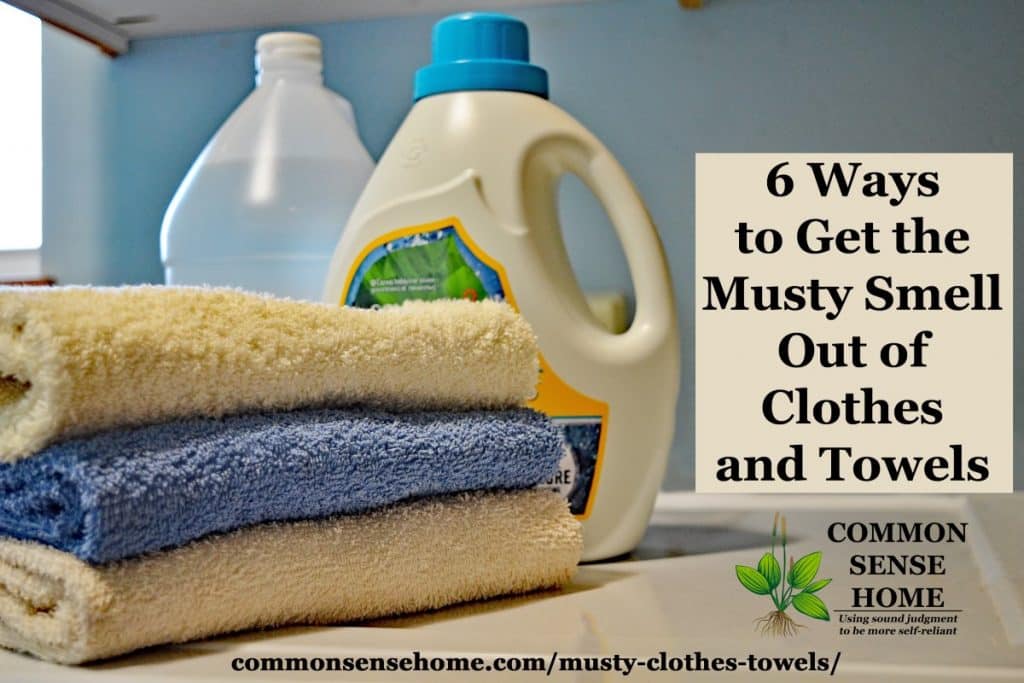
Credit: commonsensehome.com
Quick Navigation
Understanding The Reasons Behind Clothes Odor In Drawers
If you have noticed an unpleasant odor coming from your clothes drawers, there are a few reasons why this may be happening. The root cause is often dampness and moisture, which can lead to mildew and mold growth, resulting in a musty smell.
Another reason could be dirty clothes left in the drawers for too long, which results in bacteria buildup. Additionally, certain fabric types and quality can also contribute to unpleasant odors lingering in the drawers. Woven fabrics, such as polyester and cotton, are more likely to hold onto smells compared to synthetic materials like nylon and spandex.
By understanding these reasons, you can take steps to prevent the unpleasant odors and keep your clothes smelling fresh.
How To Prevent Clothes Odor In Drawers
Are you tired of opening your drawers and being hit by a foul smell coming from your clothes? Fear not, there are solutions! First, invest in moisture-absorbing products like silica gel or activated carbon. You can also wash clothes after each wear or use a laundry deodorizer.
Properly airing out clothes before storing them can also help. Lastly, try using essential oils or other natural remedies to keep clothes smelling fresh. By following these tips, you can prevent clothes odor in your drawers, ensuring your clothing always smells fresh and clean.
Expert Tips For Eliminating Clothes Odor In Drawers
Eliminating clothes odor in drawers requires proper washing techniques, organizing the space, and dry cleaning. To start, use the correct amount of detergent and fabric softener to avoid buildup. Also, declutter drawers to allow for better airflow. Clean the washing machine and dryer to prevent odors from transferring onto clothes.
Lastly, consider dry cleaning delicate fabrics that could be damaged in the wash. with these tips, you can keep your clothes fresh and odor-free.
Maintenance And Care For Odor-Free Clothes Drawers
Keeping your clothes drawers smelling fresh is essential to keep your clothes clean. Consistent washing and airing out of your clothes and linens are a vital way to reduce odors. Drawer hygiene plays an important role in preventing bad smells in clothes drawers.
Make sure you keep your drawers clean and free of debris and dust. Monthly maintenance check for moisture-absorbing products is crucial to keep your clothes drawers odor-free. Regular replacement of drawer liners is also a great way to keep bad smells from lingering.
Follow these maintenance and care tips for odor-free clothes drawers.
Conclusion
After understanding the reasons why the clothes in our drawers smell, we can take preventive actions to avoid this issue from happening again. Storing clean clothing, allowing them to dry before storing, and washing them regularly are simple yet effective practices.
Also, using scent boosters or keeping scented sachets in our drawers can give our clothes a fresh and pleasant smell. However, if the odor persists, it could be a sign of a more significant issue, such as mold or mildew growth.
Thus, it’s essential to address this promptly before it causes further damage and health problems. Taking regular care and attention to our clothes’ storage and cleanliness will not only keep them smelling good but also extend the lifespan of our garments and promote good hygiene practices.